Desoto Dentures and Implants uses 3D printing in Southaven, MS to create precise dental appliances and guides. This page explains how 3D printing supports dentures, implant planning, splints, retainers, and temporary restorations so patients know what to expect before treatment.
3D Printing In Dentistry: Key Facts
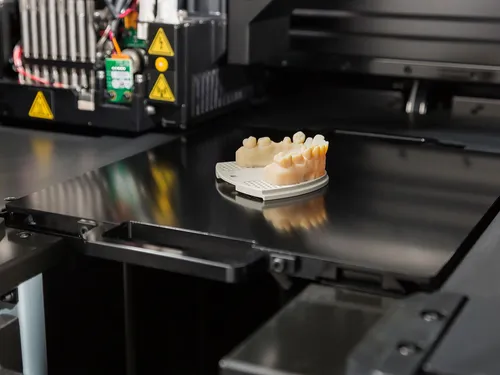
Dental 3D printing turns a digital design into a physical appliance by layering biocompatible materials with exceptional accuracy. In many cases, a digital scan replaces traditional impressions, improving comfort and precision.
Common 3D printed items include denture bases and try-ins, surgical guides for dental implants, night guards, retainers, custom trays, and temporary crowns or bridges.
How 3D Printing Can Help You
- Improves Fit And Comfort: Digital impressions reduce gagging and yield devices designed to your exact anatomy.
- Enhances Accuracy: Surgical guides and appliances are fabricated to precise specifications.
- Speeds Timelines: Many models, try-ins, and splints can be produced the same day or within days.
- Streamlines Adjustments: Digital designs can be refined quickly, which helps shorten chair time.
- Supports Implant Planning: Printed surgical guides help position implants in planned locations.
- Creates A Digital Record: Your scans and designs are stored, making future remakes more efficient.
The 3D Printing Process
- Digital Data Capture: An intraoral scanner or impression captures your teeth and gums.
- Design: The team designs your appliance using dental CAD software for function, fit, and esthetics.
- Printing And Post-Processing: The device is printed in thin layers, then cleaned, light-cured, and polished.
- Try-In And Refinement: You try in the device so any fine-tuning can be made.
- Delivery: Once fit and function are confirmed, you receive the final appliance with care instructions.
Your Experience And What To Expect
Most visits start with a consultation to review goals and oral health needs. For many devices, the timeline ranges from same-day to a few days, depending on complexity.
Materials used for dental 3D printing are designed to be biocompatible when processed correctly. Durability varies by appliance type. Retainers and splints can last months to years with proper care. For questions about 3D printing in Southaven, MS, contact Desoto Dentures and Implants at 662-996-2211 to schedule a visit.
FAQs: Dental 3D Printing
Hours