Wisdom teeth removal in Southaven, MS is a common oral surgery that helps protect long-term oral health. At Desoto Dentures and Implants in Southaven, MS, patients receive clear guidance on evaluation, treatment, and recovery so they know what to expect before and after surgery.
Wisdom Teeth Removal Explained
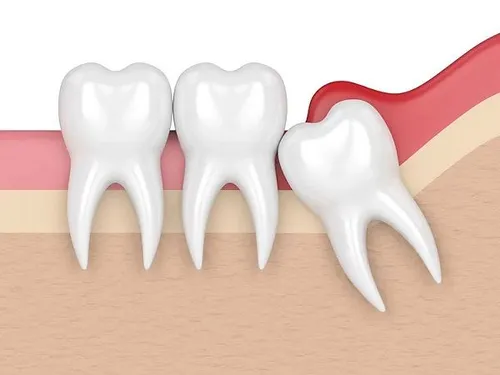
Wisdom teeth are the third molars that usually erupt between ages 17 and 25. Many mouths do not have enough space for them to emerge correctly. When a tooth is trapped under the gums or angled against the neighboring tooth, it is called an impacted wisdom tooth.
Wisdom teeth removal involves taking out one or more of these third molars to prevent or treat problems. The goal is to reduce pain, stop infections, protect nearby teeth, and lower the risk of cysts or gum disease.
How Wisdom Teeth Removal Can Help You
- Relieves pain and pressure caused by erupting or impacted teeth.
- Prevents crowding and bite changes that can shift other teeth.
- Reduces the risk of gum infection, tooth decay, and cyst formation.
- Protects the second molars from cracks, cavities, and bone loss.
- Makes routine cleaning easier in the back of the mouth.
How Wisdom Teeth Removal Works
The process starts with an exam and 3D imaging or panoramic X-rays to see tooth position and root shape. Sedation options may include local anesthesia, nitrous oxide, oral sedation, or IV sedation when appropriate.
For erupted teeth, removal is often straightforward. For impacted teeth, a small opening in the gum may be needed. Most appointments take 45 to 90 minutes depending on the case.
What To Expect Before And After
Before surgery, share your medical history and medications. If sedation is planned, follow fasting instructions and arrange a responsible adult to drive you home.
After surgery, some bleeding, swelling, and soreness are normal. Most people return to work or school in two to three days, with complete healing over several weeks.
Recovery And Aftercare
- Keep gauze in place as directed to manage initial bleeding.
- Use cold packs for the first 24 hours to reduce swelling.
- Stick to soft foods like yogurt, smoothies, eggs, and mashed potatoes for several days.
- Drink plenty of water and avoid straws for at least one week.
- Rinse gently with warm salt water after the first 24 hours to keep the area clean.
- Avoid smoking and vigorous exercise during early healing.
Frequently Asked Questions
Hours