Desoto Dentures and Implants provides root canal therapy for patients in Southaven, MS who want to relieve tooth pain and save a damaged tooth. This page outlines what root canal therapy is, how it works, the benefits, and what to expect before, during, and after treatment.
Root Canal Therapy Explained
Root canal therapy is a procedure that treats inflammation or infection inside a tooth. The soft tissue in the center of the tooth, called the pulp, can become infected due to deep decay, cracks, repeated dental work, or injury.
A root canal removes the source of infection while keeping your natural tooth in place. This helps maintain normal chewing, supports jawbone health, and protects your bite from shifting.
Why Consider Root Canal Therapy?
- Pain Relief: Root canal therapy addresses the inflamed nerve tissue that causes toothache and pressure pain.
- Tooth Preservation: Keeping your natural tooth helps protect adjacent teeth and your bite alignment.
- Infection Control: Cleaning and sealing the canals helps stop the spread of infection.
- Predictable Results: Modern techniques and anesthetics make the procedure efficient and comfortable.
- Fewer Long-Term Complications: Preserving the tooth often reduces the need for more complex tooth replacement.
The Root Canal Therapy Process
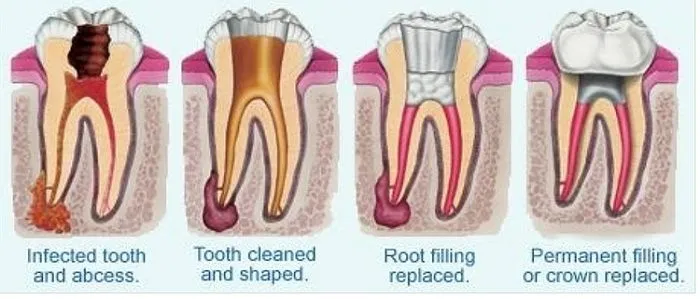
Your visit typically begins with an exam and a digital X-ray to confirm the diagnosis. Local anesthesia is used to numb the area completely. A small opening is made in the tooth to access the pulp chamber. The inflamed or infected tissue is removed using fine instruments, and the canals are shaped and irrigated with disinfecting solutions.
After cleaning, the canals are filled with a biocompatible material and sealed. Many back teeth will also need a crown to restore strength and function.
What To Expect Before And After Treatment
Before your appointment, expect a thorough evaluation and a discussion of options. After the procedure, mild tenderness is common for one to three days and is usually managed with over-the-counter pain relievers as directed.
Avoid chewing on the treated side until the tooth has a permanent restoration. Typical root canal recovery time is short, and most people return to normal activities the same day.
Root Canal Therapy FAQs
Hours