Dental implants in Southaven, MS offer a long-term solution for missing teeth that looks, feels, and functions like natural teeth. This educational guide from Desoto Dentures and Implants explains how implants work, who may benefit, what treatment involves, and how to care for your results so you can make an informed decision.
Dental Implants Explained
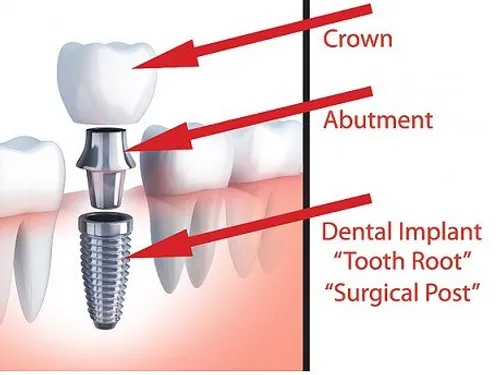
A dental implant is a small post placed in the jaw to replace a missing tooth root. Most implants are titanium, a biocompatible metal that bonds to bone through a process called osseointegration. Once the implant is secure, an abutment connects the implant to a custom crown, bridge, or denture.
Implants are used in several ways:
- Single-Tooth Implant: Replaces one missing tooth with an implant and crown.
- Implant-Supported Bridge: Restores several missing teeth in a row without relying on natural teeth.
- Implant-Retained Denture: Uses two to four implants to stabilize a removable denture.
- Full-Arch Fixed Bridge: A non-removable prosthesis supported by multiple implants for complete arch replacement.
Benefits Of Dental Implants
- Preserves Jawbone: Stimulation from the implant helps limit bone loss after tooth removal.
- Protects Adjacent Teeth: No need to grind down healthy teeth as with a traditional bridge.
- Stable Function: Secure chewing and clearer speech compared to loose dentures.
- Natural Appearance: Custom shading and shape to match surrounding teeth.
- Long Service Life: With proper care, implants can last many years.
The Dental Implant Process
- Evaluation And Planning: A comprehensive exam and 3D imaging assess bone quality, gum health, and bite.
- Preparatory Care: Some patients need bone grafting or a sinus lift to build support for the implant.
- Implant Placement: The implant is placed under local anesthesia, often in under an hour for a single site.
- Healing And Integration: Over 8–16 weeks on average, bone fuses to the implant.
- Abutment And Restoration: An abutment is attached and a custom crown, bridge, or denture is fabricated and secured.
What To Expect Before And After Surgery
Before surgery, follow preoperative instructions, which may include medication adjustments and a light meal if permitted. During placement, local anesthesia keeps the area comfortable. After surgery, mild swelling or soreness is common for two to three days and usually managed with over-the-counter pain relief and cold compresses.
Eat soft foods at first, avoid smoking, and keep the site clean with gentle brushing and an antimicrobial rinse as directed. Most people resume normal routines within a day, but heavy exercise should wait until cleared.
Implant Options And Alternatives
- Single-Tooth Implant Vs. Bridge: A single implant is often preferred because it does not alter nearby teeth.
- Implant-Supported Dentures: Two to four implants can stabilize a lower or upper denture for improved comfort.
- Full-Arch Fixed Solutions: Multiple implants support a non-removable bridge for maximum stability.
- Alternatives: Conventional bridges or removable partial dentures may be appropriate for some situations.
Care And Maintenance
Daily brushing and flossing, plus regular professional cleanings, keep implants and gums healthy. Many patients use floss threaders or interdental brushes to clean around the implant. A water flosser can be helpful for bridges and full-arch restorations. Attend follow-up visits to monitor bone levels and the fit of your restoration.
How Much Are Dental Implants?
At Desoto Dentures and Implants, we believe everyone deserves access to affordable dental implants in Southaven, MS, without compromising quality.
- Single Dental Implants — $2,499. Includes implant body, abutment, and crown.
- 3 Unit Bridge — $5,500. Includes 2 implant bodies, 2 abutments, and 3 crowns (replaces 3 teeth).
- 4 Or More Teeth — Come see us for a free consultation.
Frequently Asked Questions
Hours