Scaling and root planing in Southaven, MS is a non-surgical gum disease treatment that removes hardened plaque below the gumline and smooths tooth roots. At Desoto Dentures and Implants, patients in Southaven, Mississippi can receive this deep cleaning to help control periodontitis and protect long-term oral health.
What Is Scaling And Root Planing?
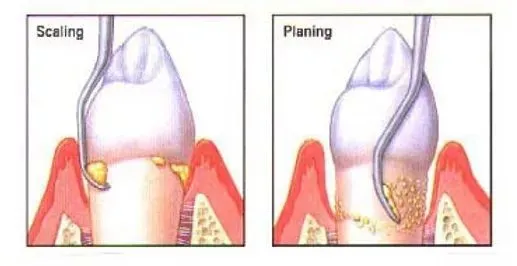
Scaling and root planing is a deep cleaning procedure performed when gums are inflamed and periodontal pockets have formed. Plaque and tartar accumulate below the gumline, where a toothbrush and floss cannot reach. Scaling removes these deposits from tooth surfaces and roots, while root planing smooths the roots so the gums can reattach more easily.
This non-surgical periodontal therapy is often recommended for early to moderate periodontitis. Signs include bleeding gums, persistent bad breath, gum tenderness, receding gums, and loose or sensitive teeth.
How Scaling And Root Planing Can Help
- Reduces gum inflammation and bleeding by eliminating plaque and tartar below the gumline.
- Lowers periodontal pocket depths, helping gums reattach to the tooth.
- Improves breath by reducing bacteria associated with gum disease.
- Helps prevent bone loss and lowers the risk of tooth mobility and tooth loss.
- May reduce the need for periodontal surgery when completed early.
- Supports better overall health, as controlling gum inflammation can benefit systemic wellness.
How The Treatment Works
- Assessment And Diagnosis: A periodontal exam, pocket measurements, and dental X-rays identify the extent of gum disease.
- Comfort Measures: Local anesthesia is used so the areas are numb and you remain comfortable.
- Scaling: Ultrasonic and hand instruments remove plaque and tartar from tooth surfaces, including below the gumline.
- Root Planing: The roots are smoothed to discourage new plaque buildup and to support gum reattachment.
- Antimicrobial Support: In some cases, irrigation or localized antibiotics are placed to reduce bacteria in deeper pockets.
- Reevaluation: A follow-up visit checks healing, pocket depths, and home care effectiveness.
What To Expect Before And After
Before treatment, a clinician will review your medical history, current medications, and any gum symptoms. Local anesthesia is standard, and most patients feel pressure and vibration but no sharp pain.
After scaling and root planing, it is normal to experience mild soreness, slight bleeding, and temporary cold sensitivity. These symptoms usually improve within a few days.
Aftercare Tips
- Brush twice daily with a soft toothbrush and use interdental cleaners or floss once a day.
- Rinse with an antimicrobial mouthwash if recommended.
- Choose soft foods for the first day or two and avoid very hot or spicy items if gums feel tender.
- Avoid smoking or vaping, as they slow healing and worsen gum disease.
- Attend periodontal maintenance visits, often every 3–4 months, to keep pockets stable.
FAQs: Common Questions
Hours