
At Desoto Dentures and Implants in Southaven, MS, digital X-rays support accurate diagnosis and careful treatment planning. Digital X-rays in Southaven, MS create sharp images with a fraction of the radiation of traditional film, helping evaluate teeth, bone, and supporting structures in detail.
Digital X-Rays Explained
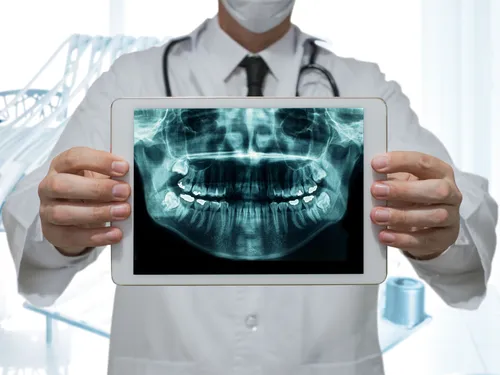
Digital X-rays use electronic sensors rather than film to capture images of your teeth and jaws. The sensor connects to a computer, producing images that appear on screen within seconds. Dental teams can zoom, adjust contrast, and measure areas on screen.
Because the system is more sensitive than film, digital radiography typically requires significantly less radiation. The process is quick, comfortable, and designed to guide evidence-based decisions.
How Digital X-Rays Can Help You
- Provide lower radiation exposure compared with traditional film in most cases.
- Offer high-resolution images that help detect early decay, fractures, and bone loss.
- Deliver instant results so findings can be reviewed during the same visit.
- Enhance planning for dentures and dental implant placement by assessing bone height and density.
- Improve patient understanding through clear on-screen visuals and explanations.
- Reduce the need for retakes thanks to adjustable contrast and brightness.
The Digital X-Rays Process
Most appointments start with a brief review of your health history to decide which images are indicated. A lead apron with a thyroid collar is placed for shielding. A small sensor is positioned inside your mouth, and you bite down gently while the image is captured.
Images appear immediately, allowing the team to evaluate tooth structure, fillings, crowns, nerves, and bone levels.
Types Of Digital Dental X-Rays
- Bitewing Images: Show the crowns of back teeth to spot cavities between teeth and monitor bone support.
- Periapical Images: Focus on the full tooth and root to evaluate infection, fractures, or root problems.
- Panoramic Image: Offers a wide view of the jaws, sinuses, developing teeth, and overall alignment.
Your Visit: What To Expect
The experience is efficient and typically completed in a few minutes. You may feel light pressure from the sensor, especially for back teeth, but it should not be painful.
Radiation exposure is kept as low as reasonably achievable using modern equipment and shielding. Before imaging, remove removable dental appliances and jewelry that could interfere with the picture.
FAQs: Digital X-Rays
Hours