
Partial dentures in Southaven, MS, can replace several missing teeth while preserving the healthy natural teeth that remain. A well-fitted partial can improve chewing, support clearer speech and restore the appearance of your smile without requiring a full denture.
Dr. M. A. Bleibel has completed more than 2,000 partial denture cases and more than 5,000 denture cases overall. He has also completed extensive continuing education in dentures, prosthodontics and full-mouth rehabilitation. Our practice provides denture fabrication, adjustments, repairs and related laboratory work through our on-site dental lab.
Partial Dentures Explained
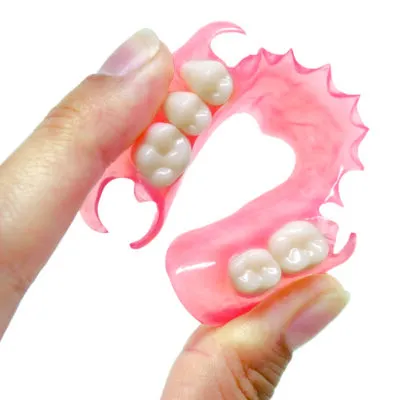
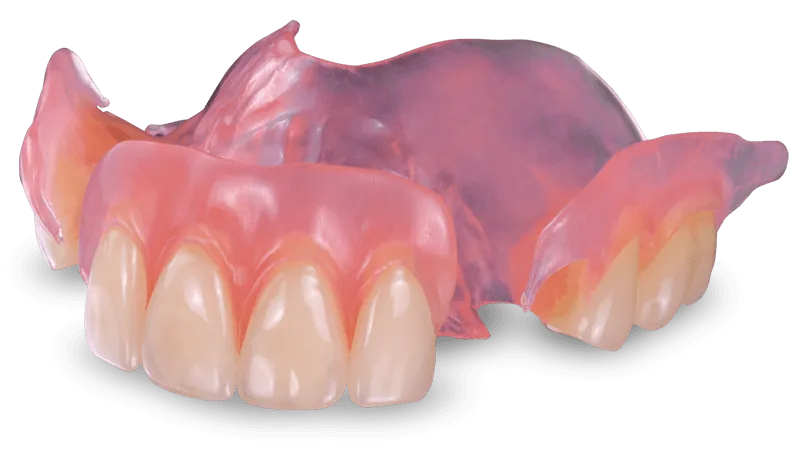
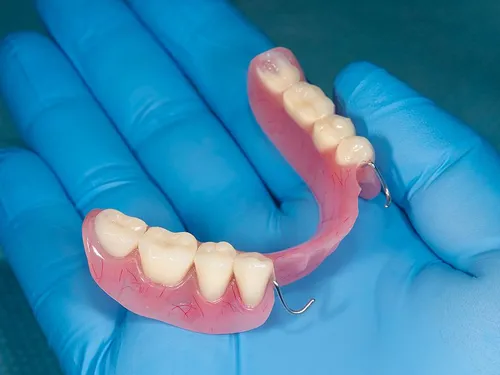
Partial dentures are removable appliances designed to replace multiple missing teeth when healthy natural teeth are still present. The partial fills the spaces left by missing teeth and uses the remaining teeth and oral tissues for support. Depending on the design, clasps or other components help hold the appliance in place.
Several types of partial dentures are available:
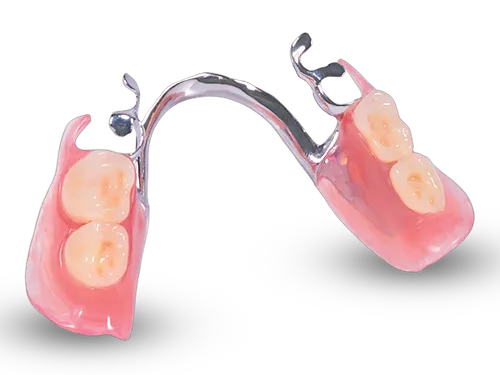
- Cast Metal Partial Dentures: A durable metal framework supports replacement teeth and a gum-colored base.
- Flexible Partial Dentures: A lightweight, flexible material can provide a more discreet appearance in certain cases.
- Acrylic Partial Dentures: Acrylic designs can be used as temporary or longer-term tooth replacement depending on the treatment plan.
- Implant-Assisted Partials: Dental implants may sometimes be used to provide additional retention and stability.
Our dentist will recommend a design based on the location of the missing teeth, the health of the remaining teeth, your bite and your treatment goals.
Why Consider Partial Dentures?
Replacing missing teeth can improve more than the appearance of your smile.
Partial dentures may help:
- Restore Chewing Function: Replacing missing teeth can make it easier to chew a wider variety of foods.
- Improve Speech: Filling spaces left by missing teeth may improve pronunciation and speech clarity.
- Help Maintain Tooth Position: Replacing missing teeth can help reduce unwanted movement of neighboring teeth into open spaces.
- Support Your Smile: Replacement teeth can restore fullness and appearance where teeth are missing.
- Preserve Remaining Teeth: A partial denture allows healthy natural teeth to remain in place when a full denture is not necessary.
- Provide A Removable Option: The appliance can be removed for cleaning and maintenance.
The amount of improvement depends on the number and location of missing teeth, the condition of the remaining teeth and the type of partial denture selected.
Types Of Partial Dentures
Different materials and designs can be used depending on the needs of the patient.
Cast Metal Partial Dentures
Cast metal partials use a thin metal framework to provide strength and support. Replacement teeth and gum-colored acrylic are attached to the framework. These designs can be a good option when long-term durability and support are priorities.
Flexible Partial Dentures
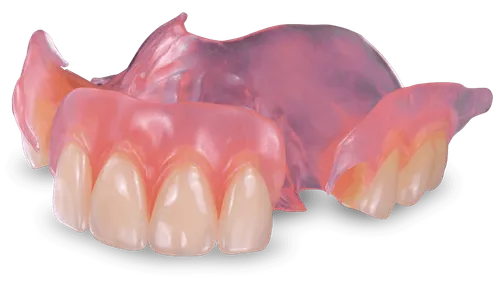
Flexible partials use a lightweight material that bends slightly and may allow the clasps to blend more naturally with the surrounding gums. Some patients prefer the appearance and feel of a flexible design.
Acrylic Partial Dentures
Acrylic partials use a gum-colored acrylic base with replacement teeth attached. They are sometimes used during healing or while a longer-term restorative plan is being completed.
Our dentist will explain the advantages and limitations of each option based on your mouth and treatment needs.
The Partial Denture Process
The process begins with an examination of your remaining teeth, gums and bite.
- Consultation And Evaluation: Our dentist evaluates your oral health, missing teeth and remaining natural teeth and discusses your goals.
- Impressions And Bite Records: Accurate records of your mouth and bite are taken to help design the partial.
- Tooth Shade And Design: The size, shape and shade of the replacement teeth are selected to blend with your smile.
- Framework Or Try-In: Depending on the type of partial, a framework or trial setup may be used to evaluate fit and appearance before completion.
- Delivery: The finished partial is placed, and our dentist evaluates the fit, bite and comfort.
- Adjustments: Small adjustments may be needed as your mouth adapts to the appliance.
Our on-site dental laboratory allows our practice to handle many denture adjustments, repairs and corrections without sending every case to an outside laboratory.
What To Expect With A New Partial Denture
A new partial denture can take some time to get used to. At first, the appliance may feel larger or more noticeable than expected. Some patients experience:
- Mild pressure or sore areas while the mouth adjusts.
- Increased saliva during the first several days.
- Temporary changes in speech.
- A learning period when chewing certain foods.
Starting with softer foods and chewing slowly on both sides of the mouth can help while you adjust. Reading aloud can also help you become comfortable speaking with the appliance. If a spot becomes sore or a clasp feels too tight, contact our practice rather than trying to adjust the partial yourself. Small professional adjustments can often improve comfort quickly.
Caring For Your Partial Denture
Daily cleaning helps protect both the partial denture and the natural teeth that support it.
- Rinse After Meals: Remove and rinse the partial to clear food debris.
- Brush The Partial Gently: Use a soft denture brush and a non-abrasive cleanser recommended for removable dental appliances.
- Clean Your Natural Teeth: Brush and floss the remaining teeth carefully, especially around areas where the partial rests or clasps attach.
- Keep The Denture Moist: Follow our dental team's instructions for storing the appliance when it is not being worn.
- Avoid Hot Water: Excessive heat can distort some denture materials.
- Attend Regular Dental Visits: Our team can monitor the condition of the remaining teeth, gums and partial denture.
Your mouth can change over time, so the partial may eventually need adjustment, repair or replacement to maintain a comfortable fit.
Partial Dentures Vs. Full Dentures
Partial dentures and full dentures are designed for different levels of tooth loss. A partial denture is used when some healthy natural teeth remain and only part of the arch needs to be restored. A full denture replaces all of the teeth in an upper or lower arch. Our dentist will evaluate which teeth can be preserved and whether a partial denture, full denture or another restorative option is appropriate.
Partial Dentures And Dental Implants
Some patients may have additional tooth-replacement options depending on their oral health, bone anatomy and goals. Dental implants may sometimes be used to add support to a removable restoration. Patients who want greater denture stability may also want to learn about implant-supported and snap-in dentures. Patients missing several teeth may also have implant or bridge options depending on the location of the missing teeth and condition of the surrounding teeth. Our dentist can explain the differences between removable partial dentures and other tooth-replacement options during your consultation.
Partial Denture Pricing
Partial dentures at our practice currently range from:
$599–$1,249
Pricing varies based on the type of partial denture selected, including acrylic, cast metal and flexible designs. Our team will review the recommended type of partial, expected cost and treatment plan with you before treatment begins.
Frequently Asked Questions
Hours